
Tiger Behaviour Across Indian Seasons: Interesting insights for Tiger Enthusiasts
Understanding How Seasons Influence the King of the Jungle For many wildlife enthusiasts, spotting a tiger in the wild is the ultimate safari experience. However, one question I am frequently asked is: “Which is the best season to see tigers?” The answer isn’t as straightforward as “summer” or “winter.” Tigers behave differently throughout the year, influenced by weather, prey availability, water sources, breeding cycles, and habitat conditions. Understanding these seasonal changes not only enhances your safari experience but also helps you appreciate the remarkable adaptability of India’s national animal. Let’s explore how Bengal Tigers behave across different Indian seasons. Summer (March – June) The Best Season for Tiger Sightings If your primary goal is to see tigers, summer is undoubtedly the best time to visit most Indian national parks. Why? As temperatures often exceed 40°C, water becomes scarce. Tigers, like all big cats, need to cool down regularly and therefore spend considerable time near waterholes, streams, ponds, and shaded riverbeds. Unlike humans, tigers do not sweat effectively. Instead, they regulate body temperature by resting in cool shade or immersing themselves in water. Behaviour During Summer Summer also makes prey animals predictable. Deer, wild boar, gaur, and other herbivores congregate around limited water sources, providing excellent hunting opportunities. Safari Tip Morning safaris generally offer the highest chances of sightings. In extremely hot weather, even afternoon safaris can be rewarding as tigers often emerge to cool themselves in water. Monsoon (July – September) Nature Comes Alive The monsoon transforms Indian forests into lush green landscapes. Streams flow again, grass grows rapidly, and prey animals disperse throughout the forest. For photographers, the scenery becomes breathtaking—but tiger sightings often become more challenging. Why? Dense vegetation provides excellent camouflage. Water is available almost everywhere, so tigers no longer depend on specific waterholes. Road conditions may also restrict safari routes, and several parks close during the peak monsoon to protect breeding wildlife and damaged tracks. Behaviour During Monsoon Although sightings may reduce, monsoon is a fascinating season to observe the forest ecosystem in its healthiest state. Post-Monsoon & Autumn (October – November) The Forest at its Freshest As the rains recede, forests appear vibrant and full of life. Young herbivores born during the monsoon begin exploring independently, providing abundant prey for predators. Tiger Behaviour For wildlife photographers, this season offers beautiful green backdrops combined with pleasant weather. Winter (December – February) Comfortable Weather for Both Tigers and Tourists Winter is perhaps the most enjoyable season for safari lovers. The cooler temperatures allow tigers to remain active for longer periods throughout the day. Unlike summer, they don’t need to spend long hours resting to escape the heat. Behaviour During Winter Morning safaris can be magical, with mist-covered grasslands creating dramatic landscapes. Do Tigers Have a Fixed Mating Season? Surprisingly, no. Unlike many mammals, Bengal Tigers can mate throughout the year. However, many wildlife researchers observe relatively higher breeding activity between November and April, when weather conditions are favourable and prey availability is good. Courtship Behaviour When a female is receptive: After mating, the male leaves, and the female raises the cubs alone. Hunting Patterns Throughout the Year Tigers are opportunistic hunters. Their favourite prey includes: Hunting Strategy Rather than chasing prey over long distances, tigers rely on: A tiger may spend over an hour stalking before launching an attack that lasts only a few seconds. Interestingly, most hunting attempts fail, highlighting the challenges even apex predators face. Do Tigers Migrate? The simple answer is No. Unlike elephants or many bird species, tigers are not migratory animals. Instead, they establish territories that they defend. What Does Happen? Young tigers, particularly males, eventually leave their mother’s territory in search of their own. This process is known as dispersal, not migration. Some dispersing males may travel over 100 kilometres using forest corridors before establishing a permanent territory. Protecting these wildlife corridors is essential for maintaining healthy tiger populations. Does Tiger Behaviour Differ from Jungle to Jungle? Absolutely! India’s tiger reserves differ enormously in terrain, vegetation, prey density, climate, and human pressure. As a result, tiger behaviour varies noticeably. Ranthambore (Rajasthan) Tadoba (Maharashtra) Bandhavgarh (Madhya Pradesh) Kanha (Madhya Pradesh) Corbett (Uttarakhand) Nagarhole & Bandipur (Karnataka) Sundarbans (West Bengal) Perhaps the most unique tiger habitat in the world. Here, tigers have adapted to: Their behaviour differs significantly from tigers in central India.
Planning a Jungle Safari in India During the Pre-Monsoon and Early Monsoon Seasons
India’s forests change dramatically between March and the arrival of the monsoon. Rising temperatures, dwindling water sources and changing vegetation influence wildlife movement, making this period particularly rewarding for nature enthusiasts. While winter remains popular, seasoned safari travellers often appreciate the unique opportunities available during the hotter months and the first showers of the monsoon. Pre-monsoon months generally improve the chances of observing large mammals because animals visit perennial waterholes more frequently. Leaf fall opens up the forest, allowing better visibility along tracks and meadows. This season also reveals fascinating animal behaviour, including territorial displays, courtship, nesting activities and interactions around water sources. The arrival of the first monsoon showers transforms dry forests into vibrant landscapes. Fresh foliage, dramatic skies and cooler weather create ideal conditions for landscape photography and birdwatching. Tourist numbers are usually lower during this period, allowing a quieter experience wherever safari operations remain open. Planning is the key to a successful safari. Reserve safari permits before booking accommodation, choose lodges close to the park entrance and schedule multiple game drives across different tourism zones. Wildlife sightings depend on natural movements, and repeated visits significantly improve the overall experience. Travellers should pack light-coloured clothing, a wide-brimmed hat, sunscreen, binoculars, a camera with spare batteries, reusable water bottles, rain protection for equipment, insect repellent and comfortable footwear. Neutral colours help visitors blend into the surroundings and minimise disturbance to wildlife. Several protected areas perform exceptionally well during summer, including Bandhavgarh, Kanha, Pench, Tadoba-Andhari and Ranthambore. During the onset of the monsoon, destinations such as Satpura, Periyar and Nagarhole offer spectacular scenery where tourism operations continue according to local regulations. Photography during these seasons requires preparation. Summer conditions demand protection against dust and harsh sunlight, whereas early monsoon safaris require waterproof covers and readiness for rapidly changing light. Patience, ethical conduct and respect for wildlife remain more important than obtaining a perfect photograph.Responsible tourism contributes directly to conservation. Visitors should remain quiet, follow instructions from guides, avoid littering, never feed animals and maintain a respectful distance from wildlife. Every responsible visitor helps preserve India’s remarkable biodiversity for future generations. In conclusion, pre-monsoon and early monsoon safaris offer a distinctive perspective on India’s wilderness. Careful planning, realistic expectations and responsible behaviour enable travellers to appreciate the richness of the forests while supporting conservation efforts. Every safari is different, and the unpredictability of nature is precisely what makes each journey memorable.
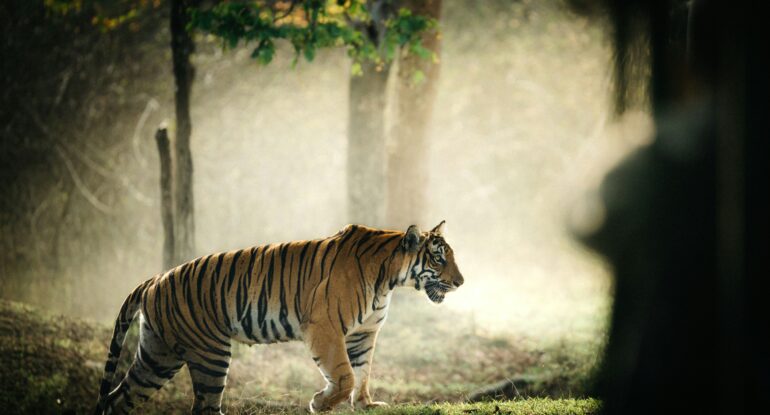
Pench Never Disappoints
Sub adults relaxing during scorching summer afternoon.
12May
How to Plan for a Tiger Safari in India
A practical and experience-driven guide — from dreaming about the jungle to returning home with unforgettable memories. India is not merely a country where tigers exist; it is a land where forests still breathe with ancient wilderness.The thrill of hearing a distant alarm call, watching pugmarks on a dusty trail, or suddenly witnessing a tiger emerge from dense bamboo — these moments stay with travellers for a lifetime. However, a successful tiger safari is rarely accidental. The difference between a rushed trip and an unforgettable wildlife experience often lies in careful planning. From choosing the right reserve and booking permits in advance to selecting the ideal season, accommodation,and safari zones — every detail matters. This guide will help you plan your tiger safari in India step-by-step, right from the moment the idea strikes your mind till you complete your journey from Nagpur to Nagpur. 1. Firming the Idea: Why Do You Want to Go? Before booking anything, clarify the purpose of your safari.Some travellers simply want to sight a tiger. Others seek wildlife photography, birding, nature immersion, or a peaceful family getaway.Your purpose influences the choice of destination, duration, budget, and even safari timing. If your primary goal is tiger sightings, reserves such as Pench, Tadoba, Kanha, Bandhavgarh, or Ranthambore are excellent choices.If you prefer landscapes and biodiversity along with tiger possibilities, Kanha and Corbett offer remarkable experiences. 2. Choosing the Right Tiger Reserve India has more than 50 tiger reserves, but not all offer the same experience.For first-time safari travellers from central India, reserves connected through Nagpur are among the best due to accessibility and healthy tiger populations. Popular choices include:• Pench National Park – Famous for “The Jungle Book” landscape.• Tadoba-Andhari Tiger Reserve – Known for frequent tiger sightings.• Kanha National Park – One of India’s most scenic forests.• Bandhavgarh National Park – High tiger density.• Satpura National Park – Ideal for walking safaris and a quieter experience. Among these, Pench and Tadoba are particularly convenient from Nagpur. 3. Selecting the Best Season The jungle changes dramatically across seasons. October to February:Pleasant weather, lush landscapes, excellent for families and birding. March to May:Hotter weather but generally considered the best time for tiger sightings as animals gather near water sources. June to September:Most core safari zones remain closed during monsoon, though buffer zones may remain open in some parks. For first-time travellers, February to April offers a balance between weather and wildlife visibility. 4. Budget Planning A tiger safari budget depends on:• Number of safaris• Type of accommodation• Travel style• Photography requirements• Duration of stay A comfortable 2-night / 3-day safari from Nagpur may range approximately from ₹15,000 to ₹45,000 per person depending on luxury level. Budget wisely for:• Accommodation• Safari permits• Gypsy/canter charges• Guide fees• Transport• Meals• Camera fees (if applicable) 5. Safari Booking Essentials Safari permits in popular reserves sell out quickly, especially during holidays and weekends.Advance booking is strongly recommended. You will generally require:• Government-issued photo ID• Full names and age details• Preferred safari dates• Zone preferences Morning safaris usually provide better wildlife activity and photography opportunities. 6. Choosing Accommodation Selecting the right lodge significantly influences the safari experience. Look for:• Proximity to safari gates• Natural surroundings• Experienced naturalists• Good reviews• Hygiene and food quality Many wildlife lodges also organise nature walks, village visits, campfires, and birding activities that enrich the overall journey. 7. What to Pack Essentials include:• Neutral-coloured clothes• Light woollens during winter• Sunglasses and cap• Binoculars• Camera with extra batteries• Personal medicines• Torch• Comfortable footwear• Reusable water bottle Avoid bright colours, loud perfumes, and excessive luggage. 8. Understanding Safari Etiquette The forest is not a zoo; it is the home of wild animals. Responsible behaviour includes:• Maintaining silence during safari• Never feeding animals• Avoiding littering• Respecting guide instructions• Not demanding risky close approaches for photography Ethical wildlife tourism helps conservation and preserves the natural behaviour of animals. 9. Sample Tiger Safari Tour Plan (Nagpur to Nagpur) – Pench National Park Day 1:Arrive at Nagpur Airport/Railway Station.Drive to Pench National Park (approximately 2.5–3 hours).Check into wildlife resort.Evening nature walk or relaxation.Overnight stay. Day 2:Early morning safari.Breakfast and rest.Optional village visit or birding activity.Evening safari.Campfire and overnight stay. Day 3:Morning at leisure.Breakfast.Return drive to Nagpur.Departure. This itinerary is ideal for families, first-time wildlife travellers, photographers, and corporate groups. 10. Final Thoughts A tiger safari is much more than spotting a striped predator.It is about reconnecting with silence, wilderness, patience, and nature’s rhythm. Sometimes the tiger appears within minutes. Sometimes it does not appear at all. Yet, every safari teaches something valuable —the language of alarm calls, the beauty of forests at sunrise, and the importance of conserving India’s wildlife heritage. Plan thoughtfully, travel responsibly, and allow the jungle to surprise you. Written for wildlife enthusiasts and responsible travellers.
22Apr
The Call of the Wild – Discover Nature Like Never Before
In today’s fast-moving world, finding peace can be difficult. A jungle safari offers the perfect chance to slow down, breathe fresh air, and reconnect with the beauty of nature. Far from crowded streets and busy schedules, the jungle welcomes you with calm mornings, golden sunsets, and unforgettable wildlife moments. Every safari drive is filled with excitement and wonder. One moment you may be watching monkeys play in the trees, and the next you could witness a graceful leopard moving through the grasslands. The jungle is full of surprises, making each journey different from the last. Beyond wildlife, the landscapes themselves are breathtaking. Dense forests, winding rivers, open grasslands, and misty trails create the perfect setting for adventure and photography. Whether you are traveling with family, friends, or solo, a safari offers memories that stay with you forever. At Jungle Safari Travels, we turn your dream wildlife experience into reality. With expert guides, comfortable stays, and carefully planned adventures, we ensure your journey is safe, exciting, and truly memorable. Answer the call of the wild and let your next adventure begin in the heart of the jungle.
22Apr
Jim Corbett – The Man Who Changed India’s Tiger Story
Long before safari jeeps rolled into India’s forests, the jungle belonged solely to its wild inhabitants. Among them, the tiger reigned supreme—feared, revered, and rarely seen. The wilderness was mysterious and distant, until one man stepped in and changed the narrative forever: Jim Corbett. Born in 1875 in Nainital, Jim Corbett grew up listening to the sounds of the forest. From a young age, he learned to read the jungle like a book—the calls of birds, the rustle of leaves, and the silent warnings of danger. His skills would later make him one of the most respected trackers of his time. In the early 1900s, villages across Kumaon and Garhwal lived in fear of man-eating tigers and leopards. Corbett answered their call—not for glory, but out of duty. His encounters were not mere hunts; they were intense, solitary confrontations with animals that had turned to humans out of desperation. One such encounter was with the infamous Champawat Tigress, responsible for over 400 human deaths. When Corbett finally tracked her down, he discovered the truth—her broken teeth had made hunting natural prey impossible. This moment changed him. He realized that man-eaters were often victims of circumstance, not villains. This realization marked a turning point. Corbett gradually laid down his rifle and picked up a camera. He began advocating for wildlife conservation, urging people to respect and protect the fragile balance of nature. In 1936, India’s first national park was established—later named Jim Corbett National Park in his honor. Spread across the foothills of the Himalayas, it became a sanctuary where wildlife could thrive without fear. It would also go on to become the birthplace of Project Tiger, a landmark conservation initiative. Today, Corbett’s legacy lives on in every rustle of leaves and every distant roar echoing through the forest. He remains a symbol of transformation—a hunter who became a protector, reminding us that true strength lies not in dominance, but in coexistence.
22Apr
Into the Wild – A Journey Through the Heart of the Jungle
There is something magical about stepping into the jungle. The moment you enter, the sounds of the city disappear and are replaced by the calls of birds, rustling leaves, and the distant roar of wildlife. A jungle safari is not just a trip—it is an unforgettable adventure into nature’s hidden world. At Jungle Safari Travels, we believe every safari tells a story. From spotting majestic tigers moving silently through the forest to watching elephants gather near a watering hole, each moment feels like a scene from a wildlife documentary. The thrill of seeing animals in their natural habitat creates memories that last forever. Our guided safaris are designed for explorers, photographers, and nature lovers alike. Whether you are a first-time traveler or a seasoned wildlife enthusiast, the jungle has something special waiting for you. Sunrise drives, scenic landscapes, and rare wildlife encounters make every journey unique. Join us and experience the raw beauty of the wild—where adventure begins and nature speaks.